

How to Install Double Glazed Windows
Double glazed windows are becoming more common in new homes. They can also be used to replace old windows. They provide better thermal insulation and noise reduction.
This article will explain how to install double glazed windows, including preparation of the window opening space, measuring and fitting, and maintenance tips.
Frame
The frame of a double glazed window is installed into the opening and secured in the proper position. It is important that the frame is inserted correctly into the opening to prevent air and water leaks. Professional installers will employ a shim pack to ensure the frame is secure and level. They will also seal around the edge of the frame to ensure it is waterproof and keep it dry from moisture.
The frames of uPVC Windows are typically constructed of a mix of materials. These materials can include vinyl or uPVC as well as aluminium and timber. The choice of material is determined by the needs of every home. Wooden frames are a classic choice however uPVC is durable and more energy efficient. Double-glazed windows can reduce noise from neighbors, planes or traffic.
It is essential to thoroughly clean both glass and uPVC before installing the frame. You can get rid of streaks and stains that are difficult to remove with a chemical cleaner. Cleaning the area in which the frame is going to be installed, and the sill of an existing window, is also a good thing. Once the cleaning is complete the uPVC frame can be painted or stained.
Read Significantly more is now ready to receive the new double-glazed window. A uPVC window kit will usually contain the tools required to install the window. It is recommended to use gloves when handling the glass panes, since they can be extremely sharp.
Spacers are used to fit the uPVC windows into the opening. The spacers are plastic and can be ordered in a variety of sizes. It is recommended to use the smallest spacers to decrease the risk of the glass breaking. It is also an excellent idea to use an adhesive silicone sealant around the edges of the frame since this will help reduce the risk of moisture build-up.
Installing trickle vents on the walls of your house is a great idea too, as double-glazed windows can generate lots of heat. These vents will help regulate the temperature in the house and lessen the requirement for artificial heating.
Sill
When building a new home or renovating an existing one, the sill of a double-glazed window is an essential element. It acts as an enclosure that isolates the inside of your home from the outside world, allowing you control the temperature, minimize noise pollution, and enhance security. The sills are typically made of uPVC which is tough and requires very little maintenance. It can be affixed to a concrete bed or to a wooden or masonry frame using an adhesive that is suitable for the job. It can be attached to a wall using expanding foam. However, it is recommended to use a low-expansion, as this foam expands more slowly and won't damage or be warped by uPVC.
Before you install your double-glazed windows, ensure that the area around the window opening is clear and free of debris. It is also a good idea to clean the interior walls surrounding the opening with a soft brush or cloth to remove any dust or dirt. The next step is to prepare the window frames for installation by applying an impervious membrane or sealant to the exterior of the frames and around the edges. The frames are then placed in their window openings. Make sure that they are square and plumb. To achieve this, you could make use of a variety of plastic spacers that can be inserted in between the frame and the wall. A specific PVC superglue can also be used to attach the end caps to the sill.
After the frame has been installed into its opening, you'll need to add setting blocks to the bottom of the sill to ensure that it is supported properly and isn't bending or misaligned as time passes. If you're not confident with this task it is possible to hire a professional to do it for you. It is best to get someone to assist you in moving the window into the window space while securing it to the frame. This will stop it from falling or being improperly handled and causing it break.
Glass
The insulated glass unit is the main part of double-glazed windows. It sits inside an aluminium or uPVC frame. It is composed of two glass panes separated by a spacer bar which creates an air gap, which is then filled with an gas that is insulating. It's similar to a glass sandwich that is filled with an gas used to insulate.
The IGU is then sealed to the window frame with the highest-quality sealant. Depending on the product and installation, it may require the use of cold or heat to help set the seal. This is crucial to preventing air and water leakage.
After the seal has been applied then the next step is to prepare the frame and glass to be installed. Installers will measure the sill and frame to ensure proper fit. This includes the removal of any old caulking and glue using a putty knife. Installers will then apply a silicone granule to the top edge of the sill. This is to prevent water from getting into the frame and can be used to stop water from flowing down the back of the sill into the wall behind it.
After the silicone bead is applied, the installer will remove any beads from the frame and shims if required to adjust the location of the new window. When the frame is set properly, the installer will screw it to the surrounding wall structure.
The space between the glass panes in a double-glazed window is filled with an inert low conductivity gas to increase the acoustic and thermal performance. The most popular choice is the argon. This type of gas is very effective in insulation and can reduce outside noise by up to 20%. The insulating gases can also limit the flow of air from outside into your home, thereby increasing the efficiency of your home's energy usage. A vacuum between the panes helps to reduce condensation, which can lead to mold and mildew. As a result, double glazing is the ideal solution for homes that have moisture problems or those located near airports or roads that are busy.
Hardware
Double glazed windows reduce the amount of heat that enters or exits your home. In turn, your heater and air conditioner will not have to work as hard in order to maintain an ideal temperature. This leads to lower energy costs.
Double glazed windows also reduce noise, making your house quieter. This is due to the fact that sound waves are more likely to be absorbed by large objects and dispersed. Double-glazed windows also block out sound from the outside with two panes.
If you're thinking about installing double glazed windows in your home, a professional can provide you with a range of options that will meet your requirements. A professional will measure and define the openings of your windows accurately to ensure that the correct size window is purchased. They will then install the frame, which is secured in place with screws or fixings.
Double-glazed windows should be maintained regularly following installation. This will keep condensation and moisture from forming, which could harm the seal and compromise the capacity of your double-glazed window to keep heat in and cold out.
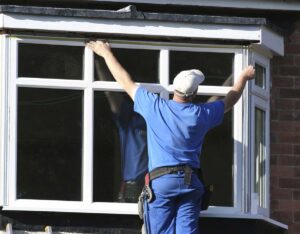
Cleaning your double-glazed windows is easy and simple. You can make a mix of warm water and soap to clean the frames, and a degreaser can be used to get rid of stubborn dirt or grease. Regularly grease hinges as well as locks and mechanisms to keep them operating smoothly.
One of the most frequent problems people have when they have double-glazed windows is that the seals aren't working and moisture begins to accumulate between the panes. The windows can then begin to appear cloudy or hazy and impacts their insulating properties. If you notice a water build-up, you need to contact the company who installed your windows as soon as possible to correct the problem. If the seals have been damaged, they may need to be replaced. This can be an expensive option.